
What to Look For When Choosing a Wedding Venue for Both Ceremony and Reception
Access Date & Time: 2019-09-06
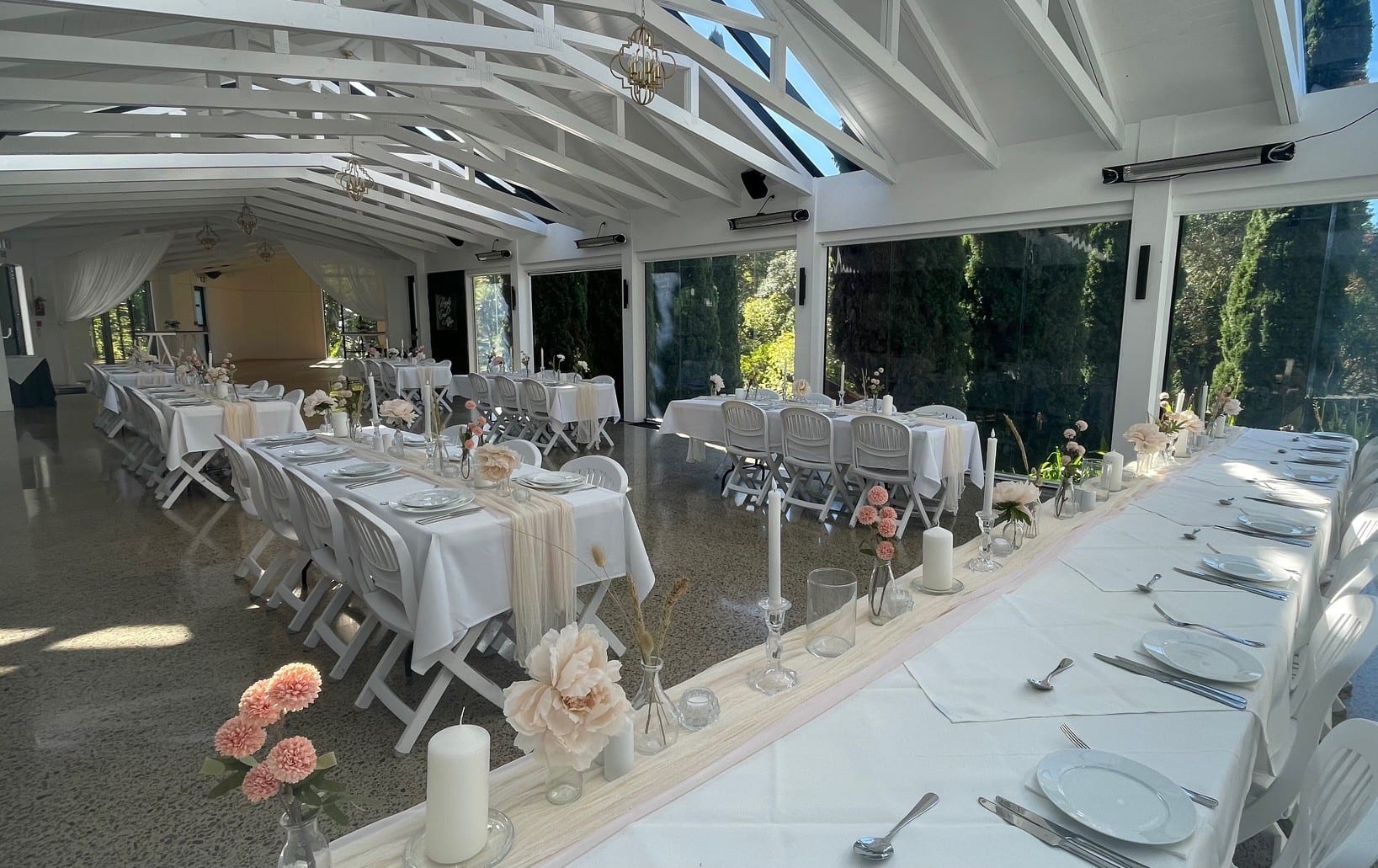
Choosing your wedding venue is one of the biggest decisions you will make during the planning process. It shapes the atmosphere of the day, influences your budget, affects your guest experience, and often determines how smoothly everything runs from start to finish.
For many couples, one of the most practical and appealing options is to host both the ceremony and reception in the same place. It simplifies the day, reduces travel, and often creates a much better experience for everyone involved. But not every venue that offers both is designed equally well.
If you are looking for a venue that can host your full wedding day, here are some of the most important things to consider.
Think about how the day will flow
One of the biggest advantages of holding your ceremony and reception in one location is the potential for a smooth, easy flow. Guests arrive once, settle in, and enjoy the celebration without needing to move between venues.
That convenience matters more than many couples realise.
A well designed venue should allow the day to unfold naturally from ceremony to canapés, photographs, dining, and dancing. Guests should always feel like they know where to go next and what is happening, without long waits or awkward transitions.
When viewing a venue, try to picture the full timeline of the day. Where will the ceremony take place? Where will guests gather afterwards? What happens while photographs are being taken? How do people move into the reception? A venue that handles these transitions well will always make the day feel more relaxed.
Look for separate spaces for each part of the day
Even when the ceremony and reception happen at the same venue, it is still important that each part of the celebration has its own space. This helps create movement and gives the day a sense of progression.
A ceremony area should feel distinct and special. A canapés or drinks area should feel social and relaxed. The reception space should feel like the next chapter of the celebration.
When all of this happens in one room, the day can lose some of its energy. But when a venue offers separate spaces within the same property, guests enjoy variety without inconvenience. That balance is what many couples are really looking for.
Consider the guest experience from start to finish
It is easy to focus on the ceremony backdrop or the reception styling, but your guests will remember the overall experience just as much as the visual details.
A good venue should make your guests feel comfortable, welcomed, and looked after throughout the day. This includes practical things like parking, accessibility, seating, shelter if needed, and places to gather between moments.
Think about your guest list and their needs. Will older guests be comfortable moving around the property? Is there enough space for mingling? Are there indoor options if the weather changes? Is the venue easy to find?
When a venue has clearly considered the guest experience, the whole day tends to feel calmer and more enjoyable for everyone.
Make sure there is a wet weather option
This is one of the most important things to ask about, especially for outdoor weddings.
A venue may have beautiful gardens, stunning views, or a perfect ceremony setting, but what happens if the weather changes? A strong wet weather plan is not just about practicality. It also gives you peace of mind in the lead up to the wedding.
The best venues offer an indoor ceremony option that still feels thoughtful and attractive, rather than a last minute backup that feels like a compromise. Knowing there is a reliable alternative in place can make the planning process much less stressful.
Even if your heart is set on an outdoor ceremony, it is always worth understanding exactly how the venue manages wet weather and what your options are.
Think about photo opportunities on site
One of the major benefits of choosing a venue for both ceremony and reception is that photographs can often be taken on site. This saves time, reduces travel, and means you stay close to your guests throughout the day.
When touring a venue, pay attention to the different backdrops available. Gardens, trees, pathways, water features, lawns, and indoor spaces can all add variety to your wedding photos.
A venue with strong photo opportunities built into the property often makes the whole day feel easier. You do not need to factor in extra travel time, and your photographer can work more efficiently while you enjoy more of the celebration.
Ask about catering and service
Food and service play a major role in how the reception feels. If your venue offers catering on site, that can simplify things considerably. It means fewer suppliers to coordinate and often creates a smoother overall experience.
If the venue does not offer catering directly, it is worth asking whether they work with preferred caterers or allow outside providers. Either way, you want to understand how the catering side of the day is managed and how flexible the options are.
The same applies to service and coordination. Ask who is there on the day, what support is provided, and whether there is someone managing the timeline, suppliers, and setup. These behind the scenes details can make an enormous difference to how relaxed you feel.
Choose a setting that matches your style
Practicality matters, but the venue also needs to feel right.
Some couples want a garden wedding with fresh air and soft floral surroundings. Others are drawn to a forest setting, a classic reception room, or a more relaxed countryside atmosphere. The right venue should align with the kind of day you are trying to create.
This does not only mean the look of the venue. It also means the feeling of it. Is it formal or relaxed? Grand or intimate? Natural or polished? Try to notice how the venue makes you feel when you walk through it, because that instinct is often just as important as the checklist.
Consider how much flexibility the venue offers
Every couple is different, and the best venues understand that. Whether you are planning a large traditional wedding or a more intimate celebration, flexibility is important.
Look at whether the venue can accommodate different guest numbers, different ceremony styles, and different reception formats. Ask how much you can personalise the setup, décor, and timeline. A venue that offers flexibility gives you more freedom to create a day that feels like your own.
That does not mean you need endless options. It simply means the venue should support your vision rather than forcing you into a format that does not fit.
A venue should make the day easier, not harder
This is perhaps the most useful thing to keep in mind when making your decision.
A good wedding venue should remove stress, not add to it. It should make the logistics simpler, not more complicated. It should allow you to enjoy the day with your guests, rather than spending the lead up worrying about how everything will work.
That is one of the strongest reasons couples choose to host both ceremony and reception in one location. When the venue is well designed and well managed, it creates a far more relaxed experience for everyone involved.
Final thoughts
Choosing a wedding venue for both ceremony and reception is about more than ticking boxes. It is about finding a place that supports the full experience of the day.
Look for a venue with strong flow, separate spaces, a clear wet weather plan, good photo locations, thoughtful guest facilities, and the flexibility to reflect your style. Most importantly, choose a place that helps the day feel easy and enjoyable from beginning to end.
When the right venue is in place, everything else tends to come together more naturally. And that is often what makes a wedding not only beautiful, but truly memorable.